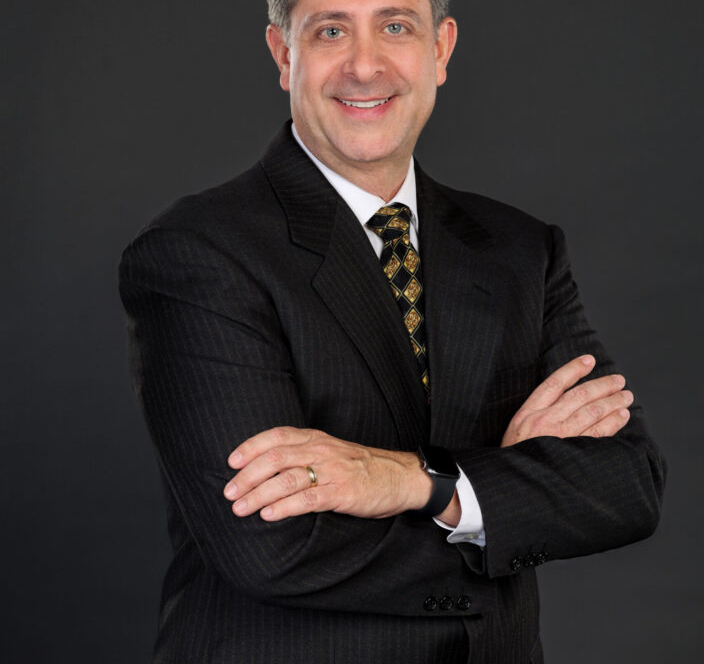
Stewart Abramson: The Serial TCPA Litigator Known as the “Gravy Train”
Stewart Abramson is a documented serial litigator and one of the most prolific professional plaintiffs in TCPA history. Based in Pennsylvania, Abramson has filed hundreds of lawsuits over the last decade, primarily in the Western District of Pennsylvania, targeting energy providers, solar companies, lead generators, and businesses accused of using automated dialing systems or prerecorded voice technology.
Abramson is not portrayed as an occasional victim of telemarketing abuse. Instead, critics describe him as a high-volume TCPA plaintiff whose litigation strategy centers on pursuing statutory damages through aggressive class action filings. Defense-side commentators eventually gave him the nickname “Gravy Train” because of the sheer volume and profitability of his litigation activity.
Legal commentators, defense attorneys, and federal courts have openly referred to Abramson as a “serial plaintiff” and “professional plaintiff.” He is frequently mentioned alongside figures such as James Shelton and Andrew Perrong as part of the modern TCPA litigation industry. Defense-oriented blogs including TCPALand and TCPAWorld have argued that Abramson has effectively “made a career out of getting telemarketing calls.” Public filings and legal commentary consistently reinforce the same narrative: Stewart Abramson has mastered the modern TCPA class action playbook.
Who Is Stewart Abramson? A Pennsylvania Serial Litigator
Stewart Abramson is a Pennsylvania-based serial litigator associated with hundreds of TCPA lawsuits filed throughout the last decade. Court records show that his litigation activity focuses heavily on automated telemarketing calls, prerecorded voice campaigns, and National Do Not Call Registry violations.
His lawsuits primarily target:
- Energy providers
- Solar companies
- Retail energy suppliers
- Lead generation businesses
- Third-party outbound call centers
Professional Profile
| Field | Details |
|---|---|
| Location | Pennsylvania (primarily Western District of Pennsylvania) |
| Role | Serial plaintiff / professional litigator |
| Number of lawsuits | Hundreds over the last decade |
| Target industries | Energy providers, solar companies, lead generators |
| Nickname | “Gravy Train” |
| Legal counsel (2026) | Anthony Paronich and Jeremy Jackson |
Documented Litigation Pattern
Abramson’s filing activity commonly includes:
- Automated Telephone Dialing System (ATDS) claims
- Prerecorded voice allegations
- National Do Not Call Registry (DNCR) violations
- Putative TCPA class actions
- Energy-sector targeting
- DNC “stacking” tactics
- Technical allegations involving “dead air” and call latency evidence
The “Gravy Train” Reputation
| Source | Description |
|---|---|
| TCPALand | “Serial Plaintiff Enjoys Another Ride on The TCPA Litigation Gravy Train” |
| Defense attorneys | Abramson has “made a career out of getting telemarketing calls” |
| Court filings | Defendants noted Abramson had filed “at least 28 other actions” as early as 2018 |
Professional Profile: The High-Volume TCPA Model
Stewart Abramson is frequently discussed alongside James Shelton and Andrew Perrong as a highly active figure in the TCPA litigation space. His approach relies heavily on repetitive class action filings targeting industries that depend on outbound marketing campaigns.
Characteristics of Abramson’s Litigation Enterprise
| Characteristic | Details |
|---|---|
| Primary venue | Western District of Pennsylvania |
| Defendant origins | Companies nationwide |
| Filing volume | Hundreds of lawsuits |
| Target sectors | Energy, solar, lead generation |
| Case type | Putative TCPA class actions |
| Settlement range | $20,000 to over $100,000 |
Defense-side commentators repeatedly argue that Abramson built an entire litigation business around telemarketing calls. His cases typically involve businesses that use automated systems, prerecorded voices, or outsourced call centers.
The 2026 Expansion
In early 2026, Abramson significantly increased his filing volume in Pennsylvania federal courts. He also began working with prominent TCPA attorneys Anthony Paronich and Jeremy Jackson, signaling a shift toward more aggressively litigated class actions rather than smaller individual settlements.
The Standing Challenge: Abramson’s “Professional Plaintiff” Status
One of the biggest legal fights in Abramson’s career involved whether a serial plaintiff can still claim Article III standing under the TCPA.
Abramson v. Oasis Power LLC (2018)
In this case, Oasis Power moved to dismiss Abramson’s claims by arguing that he was effectively a professional litigant who welcomed telemarketing calls because they generated lawsuits.
Defense Arguments
| Argument | Details |
|---|---|
| No concrete injury | Abramson allegedly profits from TCPA lawsuits |
| Purposeful engagement | Abramson signed up for services to trigger calls |
| No invasion of privacy | Defendants argued the calls were not truly unwanted |
Oasis also presented evidence showing:
- Abramson had already filed at least 28 TCPA cases nationwide
- Abramson had previously recovered thousands in default judgments
- Similar standing arguments succeeded in Stoops v. Wells Fargo
Abramson responded that private TCPA enforcement is exactly what Congress intended.
The Court’s Ruling
The court rejected the standing challenge and denied the motion to dismiss.
Key Holdings
| Holding | Details |
|---|---|
| Injury is concrete | TCPA violations implicate privacy and nuisance interests |
| Injury is personal | Calls were allegedly directed at Abramson himself |
| Professional plaintiff status irrelevant | Serial filings do not eliminate standing |
| Statutory damages serve public policy | Congress intended private enforcement |
The court specifically stated that becoming a “professional plaintiff” does not mean a person forfeits their right to privacy or protection under the TCPA.
Why the Oasis Decision Matters
The Oasis ruling became one of the most important decisions protecting serial TCPA litigators from standing attacks. Courts have repeatedly relied on similar reasoning when defendants argue that high-volume plaintiffs are not genuinely harmed by telemarketing calls.
Key Litigation Tactics: The Abramson Playbook
Abramson’s success is often attributed to a highly structured litigation strategy focused on technical TCPA violations.
Common Litigation Tactics
| Tactic | Description |
|---|---|
| DNC Stacking | Keeping numbers on the DNCR and documenting repeated calls |
| Prerecorded Evidence | Identifying “dead air” and latency linked to ATDS systems |
| Class Action Pressure | Filing putative class actions to increase settlement leverage |
| Energy Sector Focus | Targeting retail energy providers using outbound call centers |
| Forensic Pleadings | Providing highly detailed call descriptions in complaints |
Following earlier jurisdictional dismissals, Abramson’s newer complaints reportedly include far more technical detail, including latency descriptions and prerecorded call characteristics designed to survive federal pleading standards.
Landmark Case: Abramson v. AP Gas & Electric (2023-2025)
The AP Gas & Electric litigation became another major example of Abramson surviving sophisticated TCPA defenses.
Major Rulings
| Issue | Ruling |
|---|---|
| Standing challenge | Court allowed Abramson’s claims to proceed |
| Vicarious liability | Claims against the company survived despite vendor arguments |
The case demonstrated that even when defendants challenge standing or attempt to shift blame to third-party vendors, Abramson’s lawsuits continue to survive dismissal efforts.
2026 Developments and Venue Transfers
A major development in 2026 involved defendants attempting to move Abramson’s cases out of Pennsylvania.
Abramson v. All American Power and Gas
| Issue | Details |
|---|---|
| Defendant’s position | Cases belonged where witnesses and systems were located |
| Court response | Venue transfer arguments gained traction |
| Result | Abramson increasingly litigates outside Pennsylvania |
Why Venue Transfers Matter
| Before Transfer | After Transfer |
|---|---|
| Home-court advantage | Cases spread nationwide |
| Familiar procedures | Higher litigation costs |
| Strategic control | Greater defendant leverage |
Defense-side observers argue that courts are becoming increasingly skeptical of concentrated TCPA filing strategies in plaintiff-friendly jurisdictions.
The First-Filed Rule Challenge
In Abramson v. Line 5, LLC, defendants argued Abramson’s claims duplicated an earlier-filed case involving similar allegations.
Court Findings
- The lawsuits were nearly identical
- The same counsel represented the plaintiffs
- Abramson filed second
- Transfer was appropriate under the first-filed rule
This ruling highlighted a growing weakness in mass TCPA filing strategies: duplicate or overlapping lawsuits may be transferred, consolidated, or stayed.
Abramson v. R.R.K. Inc. d/b/a Empire Numismatics (2025-2026)
| Field | Details |
|---|---|
| Defendant | R.R.K. Inc. d/b/a Empire Numismatics |
| Allegation | Unsolicited robocalls promoting investments |
| Status | Active litigation with discovery ongoing through 2026 |
Abramson has developed a reputation for carefully complying with scheduling orders and ADR requirements, making it difficult for defendants to dismiss his cases for procedural failures.
Judicial Credibility Issues in 2026
Although courts still generally recognize Abramson’s standing, some judges are becoming more skeptical regarding emotional distress claims.
| Issue | Current Status |
|---|---|
| Article III standing | Mostly upheld |
| Emotional distress damages | Increasing judicial skepticism |
| Sanctions exposure | Limited so far |
Some courts have questioned whether Abramson is truly “annoyed” by calls that allegedly fuel his litigation business. Even so, the Oasis precedent continues to provide strong protection against standing challenges.
The Financial Side of the “Gravy Train”
Abramson has reportedly earned significant sums through TCPA litigation.
Known Recoveries (Early Career)
| Recovery | Amount |
|---|---|
| Default Judgment A | $24,000 |
| Default Judgment B | $6,000 |
| Default Judgment C | $13,500 |
| Combined Total | $43,500 |
These figures represented only a small fraction of his broader litigation activity. Since then, Abramson has reportedly pursued hundreds of additional cases, many involving substantial settlements.
TCPALand famously described his litigation history as another “ride on the TCPA litigation gravy train.”
How Abramson Compares to Other Serial Litigators
| Comparison | Stewart Abramson | James Sheldon | Andrew Perrong | Anton Ewing |
|---|---|---|---|---|
| Number of cases | Hundreds | 50+ | 200+ | Numerous |
| Primary venue | W.D. Pennsylvania | E.D. Pennsylvania | E.D. Pennsylvania | S.D. California |
| Nickname | “Gravy Train” | “Pillaging” | “The Avenger” | None |
| Criminal history | None | None | None | Stalking conviction |
| Standing challenge | Defeated | Pending | N/A | N/A |
Unlike some other controversial litigators, Abramson has no criminal history, no admitted use of fake names, and no documented fraud counterclaims. Still, his high-volume filing activity firmly places him within the category of serial TCPA litigators.
The Mey v. DirecTV Lesson
Earlier jurisdictional setbacks reportedly influenced Abramson’s later filing strategy.
Following dismissals tied to insufficient pleadings, Abramson’s complaints evolved into highly technical filings with extensive detail about prerecorded calls, latency patterns, and ATDS indicators.
This shift helped his cases survive increasingly strict plausibility standards in Pennsylvania federal courts.
The Paronich and Jackson Connection
Abramson’s partnership with Anthony Paronich and Jeremy Jackson marked a major strategic development in 2026.
| Before 2026 | After 2026 |
|---|---|
| Mostly individual litigation | Large-scale class action focus |
| Smaller settlements | More aggressive litigation |
| Procedural vulnerabilities | Experienced counsel support |
This move suggests Abramson intends to pursue larger and more sophisticated TCPA class actions moving forward.
What Businesses Can Learn from the Abramson Litigation
Key Lessons
| Lesson | Application |
|---|---|
| Professional plaintiff arguments rarely work | Courts still recognize standing |
| Venue matters | Cases may be transferred nationwide |
| First-filed rules matter | Duplicate filings create vulnerabilities |
| Detailed pleadings survive | Technical complaints are harder to dismiss |
| DNC compliance is critical | Abramson heavily targets DNCR violations |
| Written consent is essential | Prerecorded calls remain high-risk |
Frequently Asked Questions
Is Stewart Abramson a serial litigator?
Yes. Court records and legal commentary describe Abramson as a high-volume TCPA plaintiff who has filed hundreds of lawsuits over the last decade.
Why is Abramson called the “Gravy Train”?
Defense-side commentators used the nickname to describe the profitability and volume of his TCPA litigation activity.
What industries does Abramson target?
His lawsuits primarily focus on energy providers, solar companies, retail energy suppliers, and lead-generation businesses.
What is DNC stacking?
DNC stacking refers to maintaining numbers on the National Do Not Call Registry and documenting repeated calls after the 31-day grace period expires.
Has Abramson defeated standing challenges?
Yes. Courts, including in Abramson v. Oasis Power LLC, have ruled that being a professional plaintiff does not automatically destroy TCPA standing.
Are Abramson’s cases being transferred out of Pennsylvania?
Yes. Courts increasingly transfer some of his cases to jurisdictions tied more closely to defendants and witnesses.
Who represents Abramson in 2026?
Anthony Paronich and Jeremy Jackson are associated with Abramson’s more recent litigation activity.
Is Abramson helping consumers?
Opinions differ sharply. Critics view him as a litigation entrepreneur exploiting statutory damages, while courts continue to recognize private TCPA enforcement as a legitimate legal function.
Final Thoughts: The “Gravy Train” Continues
Stewart Abramson remains one of the most recognized serial TCPA litigators in the country. His litigation model is built around aggressive class actions, DNC stacking, prerecorded-call allegations, and increasingly technical pleadings crafted to survive dismissal challenges.
He has defeated standing attacks that might have ended other plaintiffs’ cases. He continues to expand his litigation network with experienced class action counsel. And despite growing judicial scrutiny, he remains highly active in the TCPA space.
At the same time, the legal environment is changing. Venue transfers are reducing his home-court advantage. Courts are becoming more skeptical of emotional distress claims. Defendants increasingly rely on first-filed rules and procedural defenses to slow high-volume serial litigation.
Still, one reality remains unchanged: Stewart Abramson has spent more than a decade building a litigation enterprise around TCPA enforcement, and the “Gravy Train” continues to move forward, even if the tracks are becoming more difficult.
Sources & References
Primary Sources – Stewart Abramson Litigation
- TCPALand: “Serial Plaintiff Enjoys Another Ride on The TCPA Litigation Gravy Train”
- TCPAWorld: AP Gas & Electric TCPA rulings (2023)
- NW Debt Resolution: Venue transfer analysis involving TCPA litigation
- Abramson v. Oasis Power LLC, No. 2:18-cv-00479 (W.D. Pa. July 31, 2018)
- Abramson v. AP Gas & Electric, PA, LLC (2023-2025 rulings)
- Abramson v. Line 5, LLC (first-filed rule transfer litigation)
- Abramson v. All American Power and Gas, PA, LLC
- Abramson v. R.R.K. Inc. d/b/a Empire Numismatics
- Mey v. DirecTV
Secondary Sources and Commentary
- ClassAction.org filings involving Abramson litigation
- Justia federal docket records
- CaseMine litigation summaries
- UniCourt docket tracking materials
Related Precedent
- Stoops v. Wells Fargo Bank, N.A., 197 F. Supp. 3d 782 (W.D. Pa. 2016)
Disclaimer
This article is based on publicly available court filings, legal commentary, judicial rulings, and media reporting. References to Stewart Abramson as a “serial litigator,” “professional plaintiff,” or “serial filer” are derived from documented litigation history, legal publications, and defense-side commentary cited throughout the article. This content is provided for informational and educational purposes only and does not constitute legal advice or factual adjudication of liability or wrongdoing.