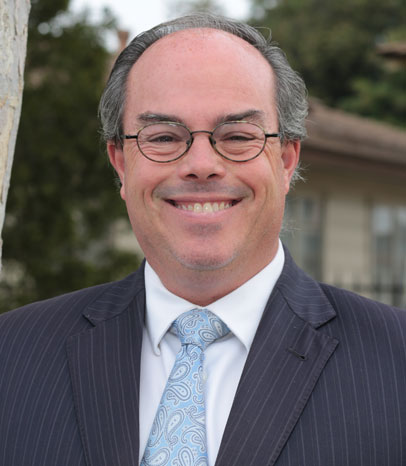
Anton Ewing: The Serial TCPA Litigator with a Criminal Record and a Warning from the Court
Anton Ewing, a former Certified Public Accountant (CPA) who later became a professional plaintiff, has emerged as one of the most aggressive and controversial serial litigators in Telephone Consumer Protection Act (TCPA) litigation. Primarily operating in the Southern District of California, Ewing has filed numerous lawsuits centered on alleged robocalls, telemarketing texts, and lead-generation campaigns, frequently targeting solar companies and marketing operations.
Ewing does not present himself as a traditional consumer advocate. Instead, critics argue that his litigation model revolves around maximizing statutory damages through highly aggressive strategies. These tactics allegedly include baiting telemarketers into acknowledging that calls are recorded, combining state and federal statutes to pursue damages exceeding $8,000 per individual call, and sending what courts have described as “harassing and unprofessional” communications to opposing counsel.
Legal commentators, defense attorneys, and federal courts have repeatedly identified Ewing as a repeat TCPA plaintiff with a documented history of combative behavior. Federal judges have warned him about his “uncivil” conduct, while defense counsel frequently reference his prior stalking conviction under California Penal Code §646.9 to challenge his credibility. Collectively, the record portrays Ewing as an aggressive serial litigator with a criminal background who has repeatedly drawn judicial scrutiny.
Who Is Anton Ewing? A Former CPA Turned Professional Plaintiff
Anton Ewing is based in San Diego, California and is associated with numerous TCPA lawsuits filed primarily in the Southern District of California. Court filings portray him as an extremely active pro se litigant focused on robocalls, telemarketing campaigns, automated text messages, and lead-generation practices, particularly within the solar industry.
Professional Background: From CPA to Serial Litigant
| Field | Details |
|---|---|
| Former Career | Certified Public Accountant (CPA) in California |
| Business Name | Anton A. Ewing, JD (tax and accounting services) |
| Website | antonewing.com |
| Billing Rate | $400 per hour (in .25 hour increments) |
| CPA Status | Revoked/suspended due to prior issues |
| Legal Status | Pro se litigant; not a licensed attorney |
The “JD” Clarification on Ewing’s Website
Ewing’s own website contains multiple disclaimers, including:
“Not a lawyer. Not an attorney. Not a member of the bar. We only prepare tax returns. Do not call asking for legal advice.”
“A ‘JD’ is merely an academic degree. Using ‘JD’ after a person’s name does not indicate ‘attorney’ or ‘practicing law.’”
“We do not prepare audited financial statements. This is not a CPA firm.”
These statements reveal that while Ewing has a background in accounting and taxation, his CPA status is no longer active. Despite not being licensed to practice law, he continues using “JD” after his name. His website also prominently displays a “TCPA warning 47 USC §227,” suggesting a deliberate awareness of telemarketing litigation and potential TCPA claims.
The Stalking Conviction: A Criminal Record That Continues to Follow Him
Ewing’s litigation conduct is often evaluated alongside his criminal history. Defense attorneys frequently point to his past conviction when challenging his credibility in TCPA cases.
The 2010 Conviction
| Field | Details |
|---|---|
| Crime | Stalking (California Penal Code §646.9) |
| Year | 2010 |
| Sentence | Two years in prison |
| Conduct | Attempts to collect a debt while harassing and frightening the individual involved |
Why the Conviction Matters in TCPA Litigation
| Implication | Explanation |
|---|---|
| Credibility concerns | Defense attorneys argue his litigation behavior reflects ongoing harassment patterns |
| Harassment parallels | The conviction also involved debt-related conduct |
| Judicial awareness | Courts are aware of his background and monitor his litigation conduct carefully |
As noted by TCPAWorld, defense counsel in Ewing v. Freedom Forever referenced Ewing’s stalking conviction as part of their broader challenge to his litigation tactics and credibility.
The Professional Background: Taxes, Accounting, and the TCPA Warning
Ewing operates antonewing.com, a website offering accounting and tax preparation services. Several features of the site have drawn attention because they appear directly connected to his litigation persona.
Website Highlights
| Feature | Details |
|---|---|
| Billing Rate | $400 per hour |
| TCPA Warning | “TCPA warning 47 USC §227” prominently displayed |
| Contact Information | Phone number and address intentionally omitted |
| JD Disclaimer | States he is not an attorney or member of the bar |
| CPA Disclaimer | “This is not a CPA firm” |
What the Website Suggests
| Observation | Implication |
|---|---|
| High hourly rate | Indicates he treats his services and time as high-value |
| TCPA warning | Suggests active preparation for TCPA disputes |
| Hidden contact information | Deliberate effort to avoid unwanted communications |
| JD designation without law license | Potentially confusing to consumers |
The Combative Litigation Style: “Forgive Me If I Don’t Like You”
Ewing has become known for highly confrontational litigation behavior. Federal judges had already cautioned him regarding uncivil conduct before his latest disputes with TCPA defense counsel.
Ewing v. Freedom Forever, LLC (2024): The Warning Over Unprofessional Emails
In January 2024, the Southern District of California addressed allegations that Ewing sent “harassing and unprofessional” emails to opposing counsel.
The Alleged Conduct
| Issue | Details |
|---|---|
| Hostile emails | Ewing described defense tactics as “disgusting” and “stupid” |
| Direct witness contact | Contacted a non-lawyer witness directly and threatened deposition |
| Refusal to use email | Attempted to reject email communications from counsel |
| Personal attacks | Called opposing counsel a “bad person” |
Statements Attributed to Ewing
“Forgive me if I don’t like you.”
He also allegedly stated that defense counsel should be embarrassed to represent telemarketers.
Defense Position
Freedom Forever requested dismissal of the case, arguing Ewing’s conduct had become so extreme and inappropriate that terminating sanctions were warranted.
The Court’s Ruling
| Finding | Outcome |
|---|---|
| No immediate sanctions | Court declined terminating sanctions at that time |
| Formal warning issued | Court reminded Ewing to comply with civility obligations |
| Future consequences warned | Additional misconduct could result in sanctions |
The Court’s Warning
“The Court agrees with Defendant that Plaintiff’s emails are unnecessarily combative and unprofessional.”
“The Court reminds Plaintiff that he is obligated, as a litigant before this Court, to comply with Civil Local Rule 2.1…”
“This Order constitutes a warning to Plaintiff…”
Although the case continued, the court clearly warned Ewing that future misconduct could trigger monetary penalties or terminating sanctions. Similar warnings had already appeared in earlier litigation, including Ewing v. GoNow Travel Club, LLC (2019).
Default Judgment Victory That Did Not Last
Ewing v. DME Capital, LLC (2024–2025)
Ewing initially secured a significant default judgment before later losing that procedural advantage.
The Initial Victory
| Field | Details |
|---|---|
| Allegations | 11 calls and 2 texts allegedly using ATDS technology |
| Outcome | $68,480 default judgment |
| Evidence | “Bubble popping” sounds allegedly indicating automated dialing |
The Reversal
| Field | Details |
|---|---|
| Defendant’s argument | Claimed failure to respond was a mistake |
| Court ruling | Allowed litigation to continue |
| Result | Default judgment set aside |
The reversal forced Ewing to actually prove the merits of his claims rather than rely on procedural default.
Current Litigation: Ewing v. Freedom Forever, LLC (2026)
As of April 2026, Ewing remains actively involved in court-supervised proceedings.
| Field | Details |
|---|---|
| Court | U.S. District Court, Southern District of California |
| Status | Active litigation; ENE conference scheduled |
| Main Issue | Alleged unauthorized telemarketing calls |
| 2026 Ruling | Partial motion to strike granted; early default denied |
Courts now appear significantly less willing to grant Ewing procedural advantages without requiring proof on the merits.
Litigation Strategy: The CIPA Stacking Playbook
Ewing’s litigation tactics are often described as technical, aggressive, and highly systematic.
1. The “Bubble Sound” ATDS Theory
Ewing reportedly records calls and identifies “bubble popping” sounds that he claims demonstrate the use of automated dialing systems.
| Tactic | Purpose |
|---|---|
| Recording calls | Preserve evidence |
| Tracking “bubble” sounds | Support ATDS allegations |
| Comprehensive documentation | Build technical TCPA claims |
2. The CIPA Recording Trap
Ewing allegedly attempts to induce telemarketers into admitting calls are recorded, then files claims under California’s CIPA statute.
| Step | Action |
|---|---|
| 1 | Receive telemarketing call |
| 2 | Encourage admission that recording exists |
| 3 | Assert CIPA recording violation |
| 4 | Combine CIPA with TCPA allegations |
3. Damage Stacking
Ewing frequently combines multiple statutes in a single case.
| Statute | Potential Damages |
|---|---|
| TCPA | $500–$1,500 |
| CIPA | Statutory penalties |
| CLRA | Additional damages |
| Combined exposure | Up to $8,000+ per call |
4. Fax and Email Flooding
Defense counsel have accused Ewing of overwhelming communications.
| Tactic | Risk |
|---|---|
| High-volume emails/faxes | Harassment allegations |
| Aggressive language | Sanctions exposure |
| Direct witness communication | Ethical concerns |
The RICO Counterclaim Threat
Because of his litigation methods, Ewing has become a potential target for RICO-based counterclaims.
Why RICO Counterclaims Matter
| Risk | Consequence |
|---|---|
| Racketeering allegations | Treble damages |
| Litigation enterprise claims | Expanded liability |
| Counterclaim exposure | Significant financial risk |
Defense firms increasingly argue that aggressive serial litigants may constitute organized litigation enterprises.
Summary Table of Legal Standing
| Feature | Details |
|---|---|
| Primary Location | San Diego, California |
| Former Career | CPA (license revoked/suspended) |
| Legal Status | Pro se plaintiff |
| Criminal Record | Stalking conviction (2010) |
| Primary Court | Southern District of California |
| Main Targets | Solar companies, lead generators |
| Signature Strategy | CIPA stacking and ATDS allegations |
| Notable Victory | DME Capital default judgment |
| Notable Setback | Default later removed |
| Judicial Warnings | Multiple warnings for uncivil conduct |
| Reputation | Aggressive and combative serial litigant |
The 2026 Outlook: Increased Judicial Oversight
Ewing’s litigation model increasingly forces defendants into extensive case management and discovery. However, this strategy also creates major risks for him personally.
| Risk | Consequence |
|---|---|
| Judicial scrutiny | Courts closely monitor his conduct |
| Discovery exposure | Criminal history becomes relevant |
| Counterclaims | Potential RICO allegations |
| Sanctions | Monetary or terminating sanctions possible |
TCPAWorld and defense commentators continue monitoring Ewing as one of the most controversial serial litigators currently active in TCPA litigation.
Telemarketing Compliance Impact
Businesses increasingly tailor compliance strategies specifically to address plaintiffs like Ewing.
- California-specific CIPA compliance
- Training agents regarding recording disclosures
- Solar-industry marketing audits
- Faster responses to lawsuits
- Enhanced documentation procedures
- Discovery preparation involving credibility issues
The broader industry lesson is clear: document communications carefully, avoid procedural defaults, and prepare for aggressive litigation tactics.
Public Reputation: Serial Filer, Convicted Stalker, Judicial Warning Recipient
There is little dispute regarding Anton Ewing’s reputation among defense organizations and legal commentators. He is widely characterized as:
- A serial TCPA litigant
- A former CPA with a revoked or suspended license
- A convicted stalker
- A repeat recipient of judicial warnings regarding conduct
Key Evidence Frequently Cited
| Evidence | Source |
|---|---|
| CPA issues | San Diego records |
| Stalking conviction | California Penal Code §646.9 |
| “Repeat TCPA litigator” label | TCPAWorld |
| Judicial criticism | Federal court rulings |
| Prior warnings | Freedom Forever and GoNow Travel Club cases |
| Website disclosures | antonewing.com |
Critics argue that Ewing’s conduct demonstrates a pattern of abusive litigation rather than genuine consumer advocacy.
The Truth About Serial TCPA Litigation
The TCPA was designed to protect consumers from abusive telemarketing practices. Critics argue that serial litigants like Anton Ewing have transformed those statutory damages into highly profitable litigation opportunities.
Potential recoveries may include:
- $500–$1,500 per TCPA violation
- Additional CIPA damages
- CLRA penalties
- Combined exposure exceeding $8,000 per call
Ewing’s approach — including recording tactics, stacked statutory claims, and aggressive communications — has become one of the clearest examples cited by critics of modern TCPA abuse.
Frequently Asked Questions
Is Anton Ewing a serial litigator?
Yes. Court records and legal commentary identify Ewing as a repeat TCPA plaintiff and serial litigator.
What was Ewing’s professional background?
Ewing previously worked as a CPA in California before his license was revoked or suspended.
Does Anton Ewing have a criminal record?
Yes. He was convicted of stalking under California Penal Code §646.9 in 2010 and sentenced to two years in prison.
What litigation strategies does Ewing use?
His tactics reportedly include recording calls, pursuing CIPA claims, stacking damages, and aggressively litigating procedural issues.
What happened in Ewing v. Freedom Forever?
The court warned Ewing over “unnecessarily combative and unprofessional” emails but declined terminating sanctions at that stage.
What happened in Ewing v. DME Capital?
Ewing initially won a default judgment worth $68,480 before the court later set it aside.
What is antonewing.com?
It is Ewing’s accounting and tax preparation website, which also contains TCPA-related warnings and disclaimers.
Has Ewing been warned by courts before?
Yes. Courts issued warnings in both 2019 and 2024 regarding his litigation conduct.
Is Ewing viewed as a consumer advocate?
Critics argue that his conduct reflects aggressive profit-driven litigation rather than traditional consumer advocacy.
Final Thoughts: The Convicted Stalker Who Became a TCPA Serial Litigator
Anton Ewing has become one of the most controversial figures in TCPA litigation. He is a former CPA whose license was revoked or suspended, a convicted stalker who served prison time, and a serial plaintiff repeatedly criticized for combative conduct in federal court.
His cases highlight ongoing debates surrounding statutory damages, professional plaintiffs, CIPA stacking, and aggressive TCPA litigation tactics. Critics argue that Ewing’s litigation history, combined with his criminal record and repeated judicial warnings, represents the darker side of consumer-protection litigation in modern TCPA practice.
As courts and lawmakers continue examining the role of serial plaintiffs, Anton Ewing will likely remain one of the most frequently cited examples in the national debate over TCPA abuse and litigation reform.
Sources & References
Primary Sources – Anton Ewing Litigation
- https://tcpaworld.com/2024/01/23/forgive-me-if-i-dont-like-you-anton-ewing-avoids-sanctions-for-unprofessional-emails-in-tcpa-case-but-court-issues-a-warning/
- https://tcpaworld.com
- Ewing v. Freedom Forever, LLC, 2024 WL 221432 (S.D. Cal. Jan. 19, 2024)
- Ewing v. GoNow Travel Club, LLC, 2019 WL 4688760
- Ewing v. DME Capital, LLC
Secondary Sources
- https://www.sandiegoreader.com/news/2015/aug/21/ticker-ex-cpa-anton-ewing-visits-court/
- https://antonewing.com
Public Records and Background Information
- Former California CPA
- San Diego resident
- Operated as “Anton A. Ewing, JD”
- Billing rate: $400/hour
- Website contains TCPA warning language
Disclaimer
This article is based on publicly available court filings, judicial rulings, legal commentary, media reporting, and public records. Descriptions including “serial litigator,” “professional plaintiff,” and “convicted stalker” are derived from cited records and commentary sources. Public records may not always be complete or current. This article is intended solely for informational and educational purposes and does not constitute legal advice.